





AT THE END OF THE WORLD
Explore Cap Fréhel
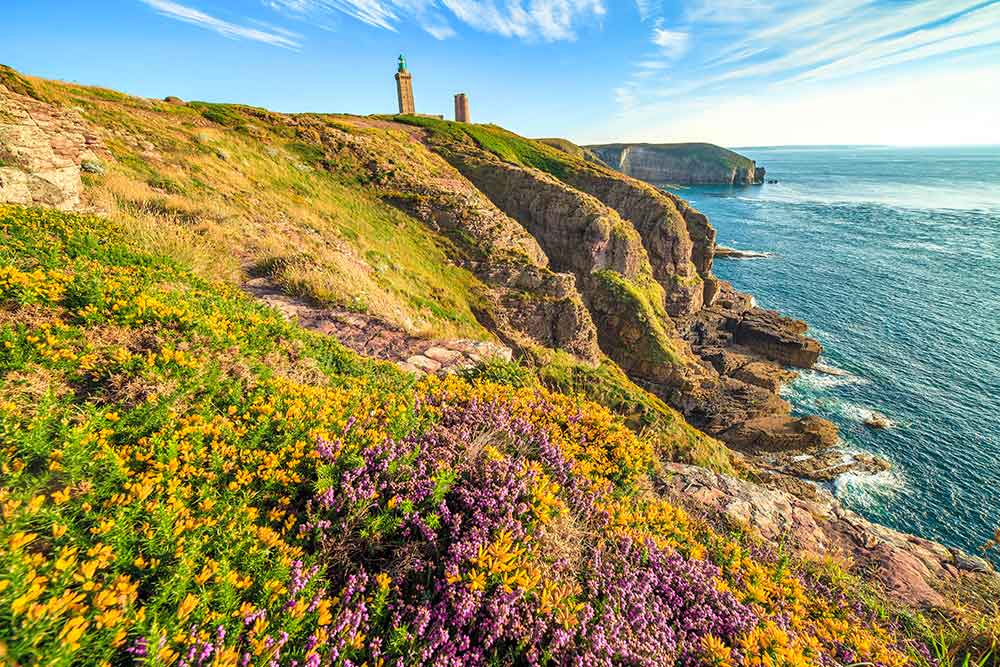
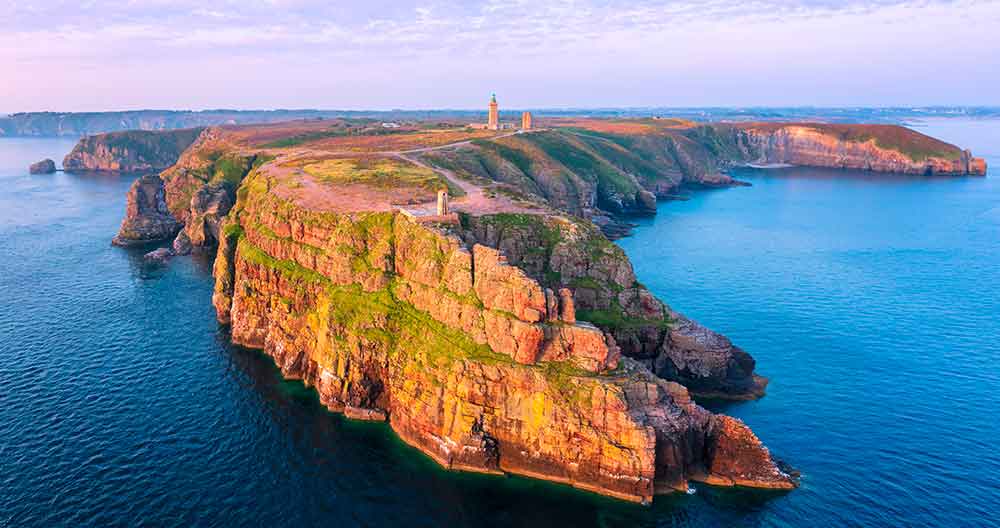
Grand, majestic, unforgettable: Cap Fréhel is one of those places that leave a lasting impression on travelers. From our campground in the Côtes-d’Armor, less than an hour’s drive away, set out to explore Cap Fréhel and its 400 hectares of wild moorland that plunge into the sea from the top of pink sandstone cliffs rising more than 70 meters high.
Designated a “Grand Site de France” since 2019 and listed as a scenic site since 1967, it offers one of the most spectacular views in Brittany: on a clear day, you can see as far as Jersey and the Channel Islands.
Visiting Cap Fréhel means immersing yourself in a world where land meets sea, and historical heritage blends with unspoiled nature. The lighthouse, Fort La Latte, the Fauconnière Bird Sanctuary, and the legendary GR34 trail await you there. And the cape is just one of the department’s many treasures: be sure to also explore Erquy, Plérin, and Pointe du Roselier; Saint-Brieuc Bay; Saint-Quay-Portrieux; Paimpol; Bréhat Island; and the Pink Granite Coast.
CLIFFS & HEATHLANDS
The Vastness
A Walk Through the Moors at Cap Fréhel
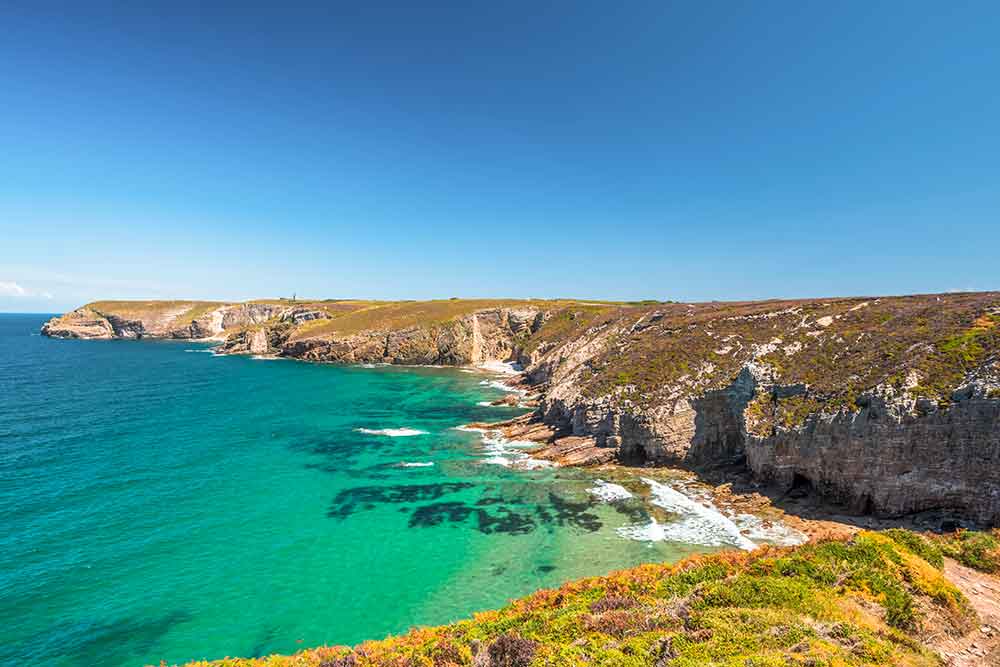
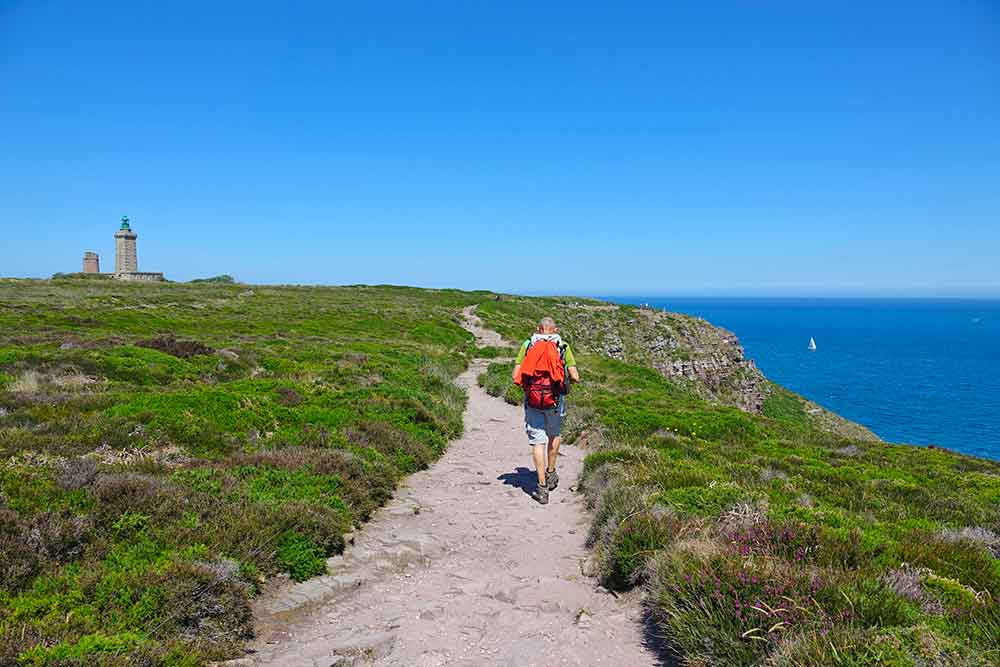
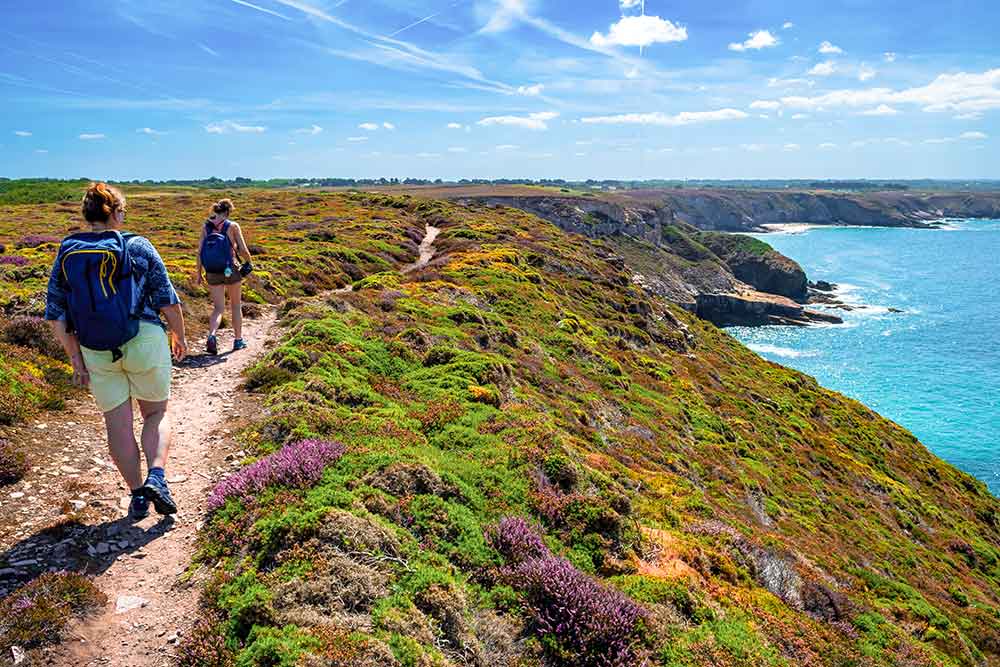
The best way to explore Cap Fréhel? On foot, along the Sentier des Douaniers. Here, the GR34 trail winds along the cliffs and moorland in a breathtaking setting. The flagship route connects Cap Fréhel to Fort La Latte: about 4 km of coastal trail (a 1-hour-15-minute walk), with stunning panoramic views at every turn.
The Cap Fréhel Lighthouse towers over the site from a height of 100 meters. It is one of the five most powerful lighthouses in France, with a beam that reaches more than 53 km. Open to visitors from April through October, its observation deck offers an absolutely spectacular 360° panoramic view—from Saint-Brieuc Bay to Fort La Latte, all the way to the Emerald Coast. Admission: €3 (adults), €1.50 (ages 7–14), free for children under 7.
Just a few kilometers away, Fort La Latte rounds out the tour. This 14th-century medieval fortress, designated a Historic Monument, is perched on a rocky outcrop facing the open sea. Open from April through October, it offers guided tours and has served as the setting for numerous films. For more information, visit the Dinan-Cap Fréhel Tourism website.
The moor itself is a sight to behold. Bright yellow in the spring thanks to the gorse, it takes on shades of pink and purple in the summer with the ash-colored heather, then turns golden in the fall.
The marked trails wind through this mosaic of colors between land and sea, offering photographers and hikers ever-changing light throughout the day. To help you plan your hike, the Tourisme Bretagne website lists the trails and provides practical information.
Good to know: Parking at the cap is subject to a fee year-round (€3 for cars, free for bicycles). There are designated parking spaces for people with disabilities, with easy access to the lookout point.
EMERALD COAST
The Jewel
In the Heart of Nature: Exceptional Marine Flora and Fauna
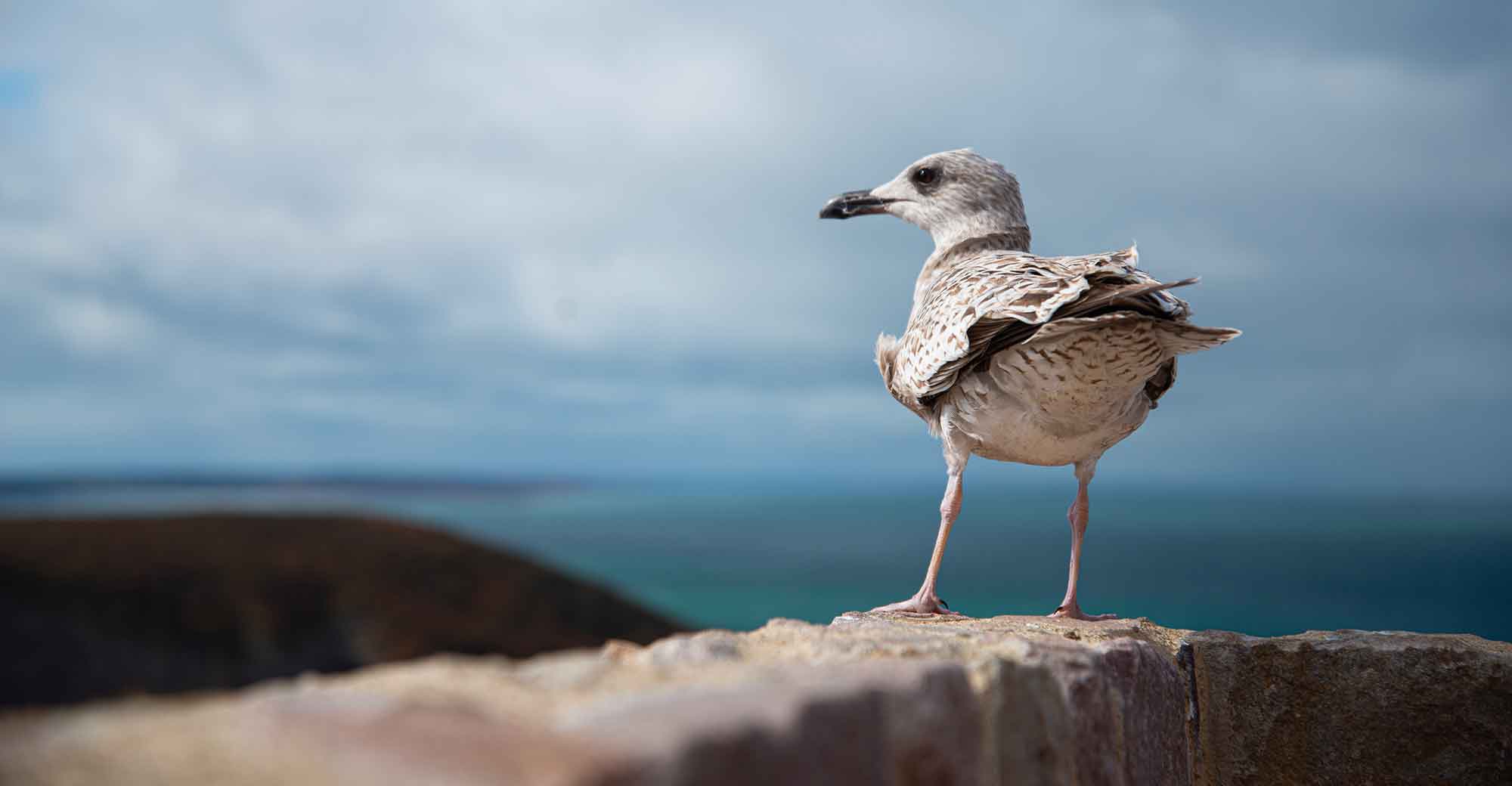
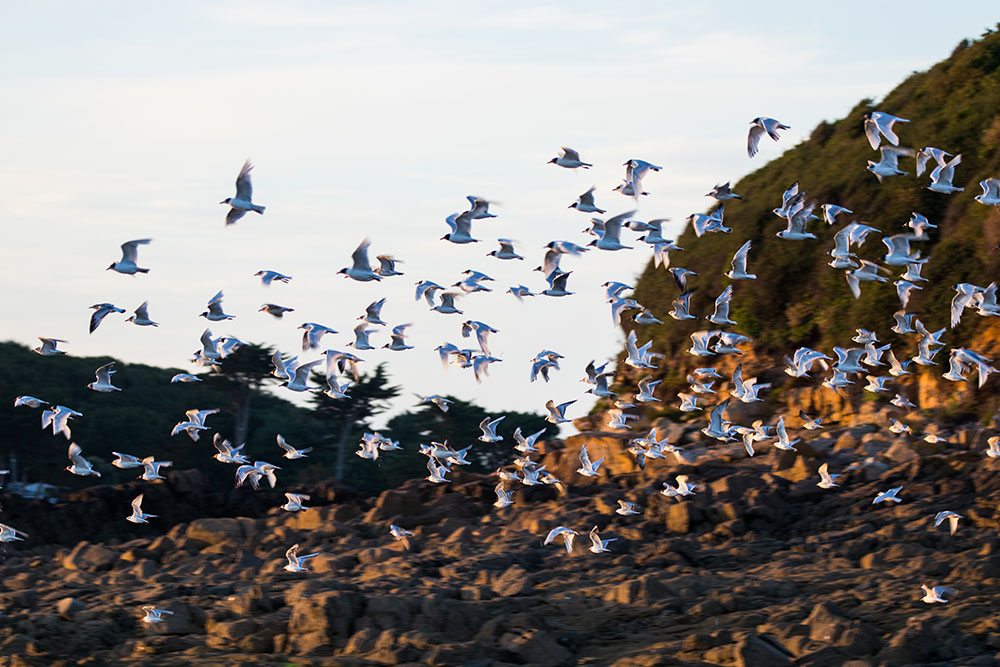
Exploring Cap Fréhel also means stepping into a sanctuary of biodiversity. The site is home to the Fauconnière Bird Sanctuary, one of Brittany’s most remarkable bird-watching spots. The cliffs, inaccessible by land, provide an ideal habitat for thousandsof seabirds that gather there in colonies:
- Troy’s guillemots and razorbills: present from February through July for nesting, they skim the waves in a swift, flapping flight
- Crested cormorants: recognizable by their dark silhouettes perched on the rocks
- Boreal fulmars: these large white birds glide along the cliffs with remarkable elegance
- Herring gulls and great black-backed gulls: ubiquitous year-round, they enliven the Cape with their distinctive cries
- Black-legged gulls: more discreet, they nest in the crevices of the rocks
AT THE END OF THE JETTY
The trail!
Birdwatching tours are organized by the Grand Site Cap d’Erquy – Cap Fréhel: be sure to bring your binoculars and check the schedule atthe Côtes-d’Armor Tourist Office.
In terms of flora, the coastal heathland forms a fragile and fascinating ecosystem. Gray heather, European gorse, and dwarf gorse form a dense carpet of vegetation, while on the cliffs, only lichens, sea fennel, and sea thrift have managed to adapt to the sea spray and wind. The elevated dunes complete this picture with rare species that are now protected.
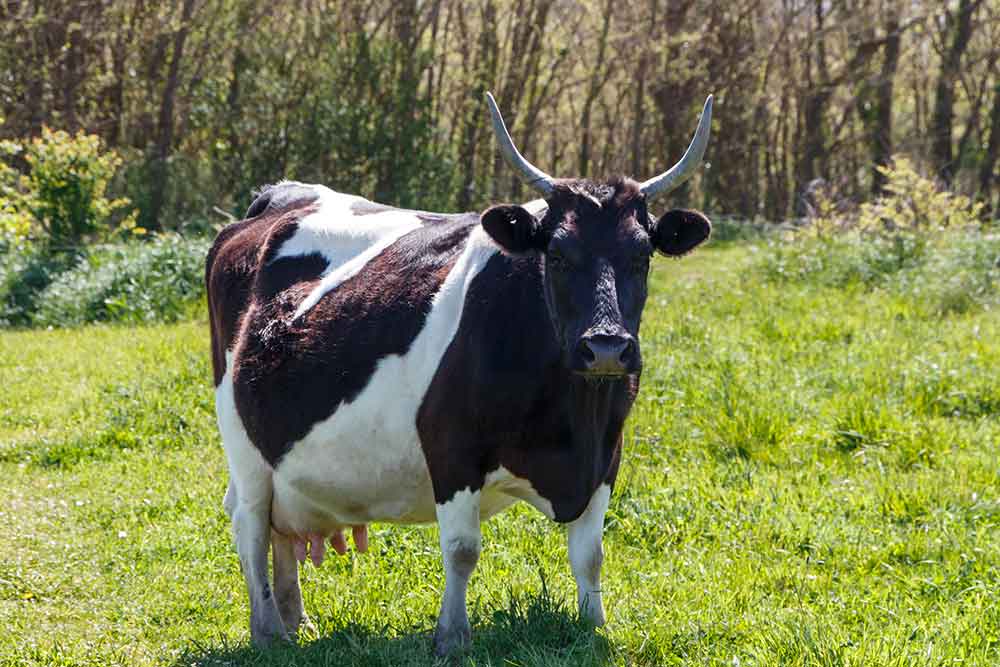
To preserve this natural heritage, marked trails and an observation deck have been built. Cows of the Breton Pie Noir breed graze on the heath as part of an ecological management program, continuing an age-old practice of land clearing.
Tourism at Cap Fréhel is all about experiencing nature: a place where you can take the time to observe, listen, and marvel. Find more ideas for nature getaways in our guide to activities near the campground.
Discover
The Surrounding Area